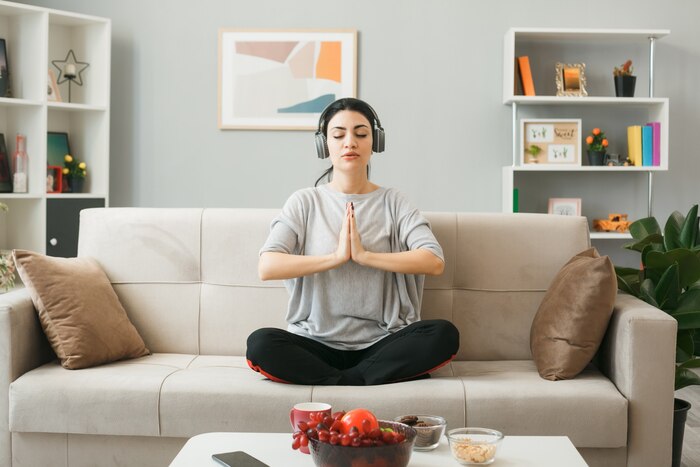

In a world where everything moves quickly, maintaining mental clarity and calmness can be challenging. Constant demands from work, personal life, and digital distractions often leave people feeling overwhelmed. This is where mindfulness becomes a powerful tool for mental wellness.
Mindfulness is the practice of being fully present in the moment. Instead of worrying about the past or future, it encourages you to focus on what is happening right now. This simple shift in attention can reduce stress and improve overall well-being.
One of the easiest ways to practice mindfulness is through breathing exercises. Taking slow, deep breaths helps calm the nervous system and brings your attention back to the present. Even a few minutes of focused breathing can make a noticeable difference.
Another effective technique is mindful observation. This involves paying attention to your surroundings—sounds, colors, textures—without judgment. It helps you disconnect from constant thoughts and become more aware of your environment.
Mindfulness can also be integrated into daily activities. Whether you are eating, walking, or working, focusing fully on the task at hand improves both efficiency and enjoyment. This reduces mental clutter and enhances productivity.
Stress often comes from overthinking or trying to control everything. Mindfulness teaches acceptance. It helps you recognize that not everything can be controlled and encourages you to respond calmly rather than react impulsively.
Consistency is key when practicing mindfulness. Like any skill, it improves with regular practice. Setting aside a few minutes each day can gradually build a habit that benefits your mental health.
Another important aspect is reducing multitasking. While it may seem productive, multitasking often leads to reduced focus and increased stress. Focusing on one task at a time allows for better performance and a calmer mind.
Mindfulness also improves emotional regulation. By becoming aware of your thoughts and feelings, you can respond more thoughtfully to situations. This leads to better decision-making and healthier relationships.
Creating a peaceful environment can support mindfulness practices. A quiet space, minimal distractions, and a comfortable setting make it easier to focus and relax.
In conclusion, mindfulness is a simple yet powerful approach to maintaining mental wellness. It doesn’t require special tools or extensive training—just awareness and consistency. By practicing mindfulness regularly, you can stay calm, focused, and mentally strong, even in a busy world.