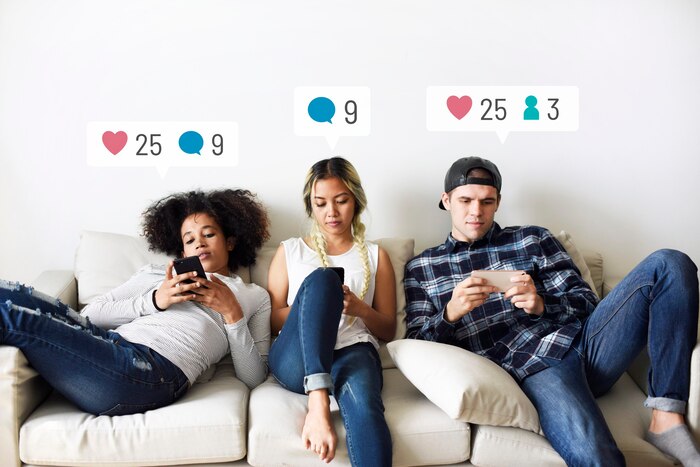

Social media has become an integral part of modern life, influencing how people communicate, share information, and interact with the world. While it offers numerous benefits, it also presents challenges that affect individuals and society as a whole.
One of the most significant advantages of social media is connectivity. It allows people to stay in touch with friends and family regardless of distance. It also provides a platform for sharing ideas, experiences, and information on a global scale.
However, this constant connectivity can sometimes lead to isolation. Spending excessive time online may reduce face-to-face interactions, which are essential for building deep and meaningful relationships. This shift can impact emotional well-being and social skills.
Information sharing is another major aspect of social media. News and updates spread quickly, making it easier to stay informed. However, the speed of information also increases the risk of misinformation. Verifying sources and thinking critically are essential skills in the digital age.
Social media also influences self-perception. Comparing oneself to curated online content can lead to unrealistic expectations and affect self-esteem. Understanding that online content often represents highlights rather than reality can help maintain a balanced perspective.
On the positive side, social media provides opportunities for learning and growth. Educational content, professional networking, and skill development are more accessible than ever. Many individuals use these platforms to build careers and share knowledge.
Privacy is another important concern. Sharing personal information online can lead to risks if not managed carefully. Being aware of privacy settings and practicing responsible usage is essential.
The impact of social media extends to society as well. It can amplify voices, raise awareness about important issues, and support social movements. At the same time, it can also create divisions and spread negativity if not used responsibly.
Balancing social media use is key. Setting time limits, engaging in offline activities, and maintaining real-world connections can help create a healthier relationship with technology.
Parents and educators also play a role in guiding younger generations. Teaching responsible usage and digital literacy helps individuals navigate social media effectively.
In conclusion, social media is a powerful tool that can both connect and isolate. Its impact depends largely on how it is used. By being mindful and responsible, individuals can enjoy its benefits while minimizing its challenges, contributing to a more balanced and healthy society.