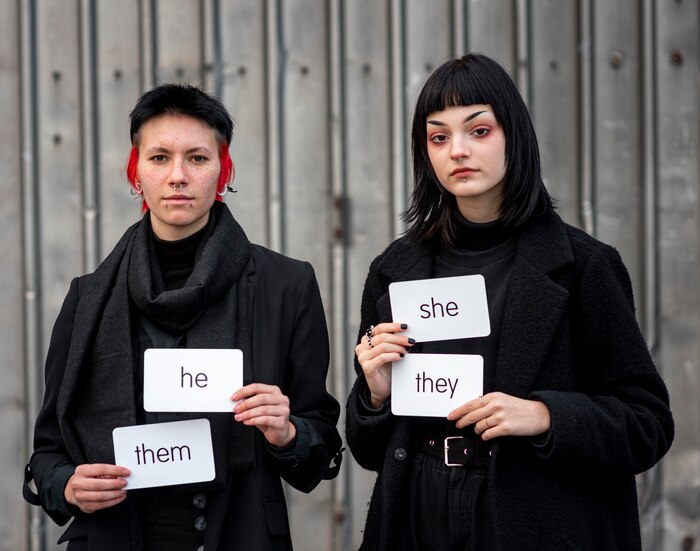

Conversations around sex and gender have evolved significantly in recent years. What was once viewed through a limited lens is now understood as a complex and diverse spectrum. In 2026, understanding gender identity is not just about awareness—it’s about respect, inclusion, and adapting to a more informed society.
At its core, gender identity refers to how individuals perceive themselves and what they call themselves. This may or may not align with the sex assigned at birth. It is important to distinguish between sex, which is biological, and gender, which is a social and psychological concept.
Traditional gender roles have long influenced how people are expected to behave. However, these roles are increasingly being challenged. Society is moving toward recognizing that personality, interests, and abilities are not limited by gender. This shift allows individuals to express themselves more freely.
Gender expression is another important aspect. It includes how a person presents themselves through clothing, behavior, and communication. Expression varies widely and does not necessarily define identity. Understanding this distinction helps avoid assumptions and promotes respect.
Language also plays a significant role in shaping perceptions. Using inclusive language and respecting individuals’ preferred pronouns can create a more welcoming environment. Small changes in communication can have a meaningful impact on how people feel and interact.
Education is key to reducing misunderstandings. Many misconceptions about gender come from lack of awareness. By learning about different identities and experiences, people can develop empathy and a broader perspective.
Workplaces and institutions are also adapting to these changes. Policies that promote inclusivity, equal opportunities, and respect for diversity contribute to healthier environments. Organizations that embrace diversity often see improved collaboration and innovation.
It’s important to approach this topic with an open mind. Everyone’s experience with gender is personal and unique. Listening and respecting different perspectives fosters understanding and reduces conflict.
At the same time, discussions around gender should remain balanced and respectful. Constructive conversations allow for growth and learning without creating division.
Another key aspect is the role of media and culture. Representation in films, literature, and social platforms influences how society understands gender. Positive and accurate representation can help normalize diversity and reduce stigma.
In conclusion, understanding gender identity in modern society requires awareness, respect, and willingness to learn. Moving beyond stereotypes allows individuals to express themselves authentically and contributes to a more inclusive world. As perspectives continue to evolve, embracing diversity becomes essential for social progress.