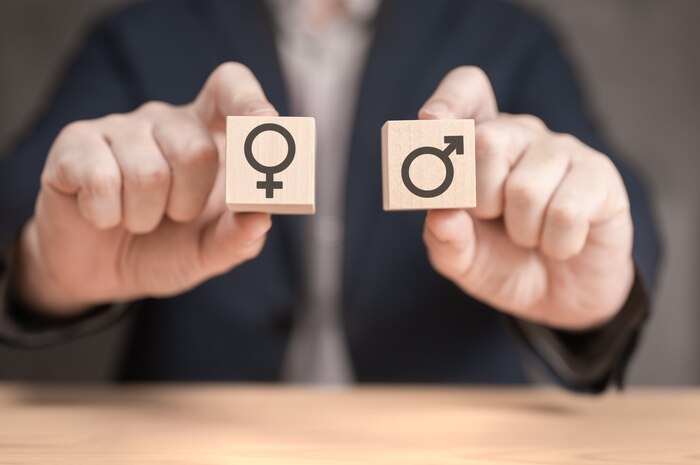

Gender stereotypes have shaped societies for generations, influencing how individuals think, behave, and interact. These stereotypes often define what is considered “appropriate” for men and women, limiting opportunities and reinforcing inequality. However, modern society is gradually challenging these outdated beliefs.
One of the most visible changes is in professional roles. Careers that were once dominated by a particular gender are now becoming more inclusive. Women are entering fields like technology and leadership, while men are taking on roles in caregiving and creative industries. This shift reflects a broader understanding that skills and interests are not determined by gender.
Education plays a crucial role in breaking stereotypes. Encouraging children to explore their interests without limitations helps create a more open-minded generation. When individuals are free to choose their paths, they are more likely to reach their full potential.
Media and representation also influence perceptions. Positive portrayals of diverse roles challenge traditional norms and inspire change. When people see examples that go beyond stereotypes, it becomes easier to accept new perspectives.
Family dynamics are evolving as well. Shared responsibilities in households, such as parenting and financial decisions, are becoming more common. This balance promotes equality and strengthens relationships.
Another important factor is awareness. Understanding how stereotypes affect behavior and opportunities is the first step toward change. Recognizing these patterns allows individuals to question and challenge them.
Workplaces are also adopting more inclusive practices. Equal pay initiatives, diversity programs, and flexible work policies support fairness and reduce bias. Organizations that promote equality often experience better collaboration and productivity.
However, change takes time. Deep-rooted beliefs and cultural norms cannot be transformed overnight. Continuous effort from individuals, communities, and institutions is necessary to create lasting impact.
Respecting individual choices is essential in this process. Not everyone will follow the same path, and that diversity should be valued. True equality means allowing people to define their own roles without judgment.
Open conversations can help bridge gaps in understanding. Discussing gender roles and expectations in a respectful way encourages learning and reduces misconceptions.
In conclusion, breaking gender stereotypes is about creating a society where opportunities are not limited by outdated beliefs. As roles and expectations continue to evolve, embracing diversity and equality becomes increasingly important. By challenging stereotypes and supporting change, we move closer to a more inclusive and balanced world.